

Understanding the psychology behind gambling What drives the thrill
Understanding the psychology behind gambling What drives the thrill
The Nature of Risk and Reward
At the core of gambling lies the intricate relationship between risk and reward. This dynamic fuels the excitement that many individuals experience when participating in various forms of gambling. The thrill of placing a bet, whether it’s on a card game, a slot machine, or a sports event, often stems from the inherent uncertainty of the outcome. This uncertainty creates a psychological rush, as players find themselves engaged in a high-stakes game where the possibility of winning great rewards amplifies their adrenaline. Each spin of the wheel or flip of the card can lead to a significant financial gain or loss, which heightens the emotional experience. Many players find an appealing option at dude-spin.nz, where they can explore diverse gaming opportunities.

Moreover, the notion of risk is deeply intertwined with personal psychology. Many gamblers are drawn to the idea of challenging fate and testing their luck against the odds. This creates a scenario where the player is not just an observer but an active participant in their destiny. The brain releases dopamine, a neurotransmitter associated with pleasure, during these risky endeavors, reinforcing the behavior and often leading to repeated participation. As a result, players seek out those moments of thrill and excitement, making risk an alluring aspect of gambling.
Additionally, understanding individual motivations behind risk-taking is essential. Some individuals gamble to escape from reality, while others do so as a form of entertainment or social interaction. Whether one is driven by the allure of financial gain or the simple joy of the game, these motivations can significantly influence gambling behavior. This complexity highlights the need for a deeper understanding of the psychological mechanisms that contribute to the enduring appeal of gambling.
The Role of Cognitive Biases
Cognitive biases play a substantial role in shaping gambling behavior. One of the most prevalent biases is the illusion of control, where players believe they can influence the outcome of random games through their skills or strategies. For example, a poker player might feel they have an edge due to their experience, despite the inherent randomness of the game. This belief can lead to overconfidence, encouraging individuals to gamble more frequently or with larger stakes than they typically would, ultimately impacting their financial well-being.
Another cognitive bias often encountered in gambling is the gambler’s fallacy. This fallacy manifests when individuals believe that past outcomes will influence future results. For instance, a player may assume that because a slot machine hasn’t paid out in a while, it’s “due” for a win. Such misconceptions can lead to flawed decision-making, causing gamblers to chase losses or invest more than they initially intended. This psychological trap is one of the many factors that can keep players engaged, often to their detriment.
These cognitive biases not only affect individual gamblers but also shape the broader gambling culture. They create a narrative that encourages participation, often overlooking the risks involved. As gamblers continue to rationalize their decisions through these biases, they become more susceptible to the psychological hooks that gambling establishments exploit. Recognizing these biases is crucial for both players and responsible gambling advocates to promote healthier gaming habits.
The Social Dynamics of Gambling
The social environment surrounding gambling can significantly influence an individual’s experience and motivations. Many people are drawn to gambling for its social aspects—whether participating in poker nights with friends or enjoying the vibrant atmosphere of a casino. Socializing while gambling can enhance the thrill, as players share in each other’s victories and losses. This communal aspect fosters a sense of belonging and connection, making the experience more enjoyable and appealing.
Furthermore, the social validation that comes with gambling can boost a player’s self-esteem. Winning can create a euphoric atmosphere where individuals feel recognized and celebrated among their peers. This social reinforcement can drive people to engage more frequently in gambling activities, as they seek that same exhilaration and acknowledgment. On the other hand, losing can also lead to a shared experience of disappointment, which can unite individuals in their struggles and further solidify their bonds.
However, the social dynamics of gambling can also have negative consequences. Peer pressure can lead individuals to gamble beyond their means, driven by the desire to fit in or impress others. This pressure can blur the line between healthy social interaction and detrimental gambling behavior. Understanding these social influences is essential for anyone looking to navigate the gambling landscape responsibly while preserving the enjoyment of the activity.
The Emotional Highs and Lows
The emotional rollercoaster associated with gambling is another compelling factor that attracts players. The highs of winning can lead to intense feelings of joy and elation, often described as euphoric. These emotional peaks reinforce the gambling experience, encouraging individuals to pursue more opportunities for that rush. The adrenaline that surges with every win creates a cycle of excitement that can be addictive.
Conversely, the lows that accompany losses can lead to feelings of despair, frustration, and sometimes guilt. This emotional dichotomy adds depth to the gambling experience, as players navigate the balance between euphoria and disappointment. Some individuals may gamble to escape from negative emotions or stress, using the thrill of betting as a coping mechanism. This can create a perilous cycle, where individuals chase losses in hopes of recapturing that initial high.
Moreover, this emotional volatility is exacerbated by the environment of gambling establishments, which are designed to amplify these feelings. Bright lights, sounds of celebration, and the presence of cheering crowds all contribute to an atmosphere that encourages risk-taking. Recognizing this emotional aspect is vital for understanding why many people are drawn to gambling, as it serves as both a source of entertainment and a means of emotional expression.
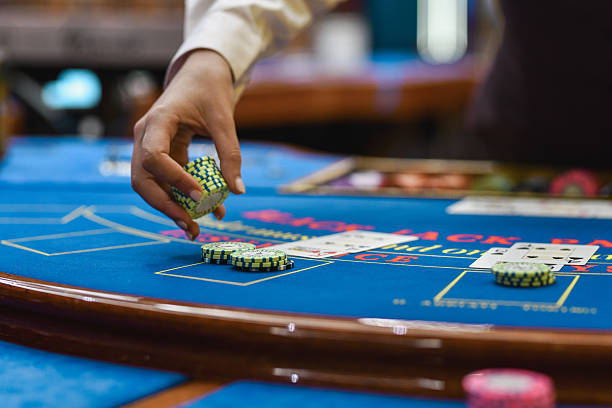
Gambling Platforms and Responsible Play
In today’s digital age, online gambling platforms have revolutionized the way individuals engage with gaming. Websites like DudeSpin Casino cater specifically to players, offering a broad range of games in a secure and engaging environment. They emphasize responsible gaming practices, ensuring that players have access to tools that can help them manage their gambling behaviors. This focus on safety is crucial in an industry often criticized for its potential to encourage excessive behavior.
For example, DudeSpin Casino implements robust security measures to protect player data and financial transactions. This sense of security can enhance the overall experience, allowing players to enjoy the thrill of gaming without undue stress. Additionally, features such as self-exclusion options and spending limits empower players to take control of their gambling habits. Such tools are essential for fostering a culture of responsible gaming within the online gambling community.
Ultimately, understanding the psychological underpinnings of gambling can promote healthier interactions with the activity. As individuals engage with platforms like DudeSpin Casino, being mindful of the emotional and cognitive factors at play can enhance their enjoyment while mitigating risks. By prioritizing responsible gambling practices, players can enjoy the thrill without compromising their well-being.